Culture Shock in Hawaii: What Newcomers Don’t Expect
The biggest culture shock in Hawaii for newcomers isn’t always the cost of living, it’s the pace. “Island Time” affects schedules, work, and social life. When you try to live in Hawaii with a fast-paced mainland mindset, it can lead to frustration.
Experiencing culture shock in Hawaii is a real thing. It is also well-documented in the book, Culture Shock! Hawaii: A Survival Guide to Customs and Etiquette. Once you’ve decided which Hawaiian Island to move to, the next thing to adjust to is understanding the culture you’re moving into.
We’ll cover the pace-of-life adjustment, everyday customs newcomers get wrong, the language and etiquette that signal respect, and how to fit in without erasing where you came from.
Quick Answer
The biggest culture shock for most newcomers when moving to Hawaii is the adjustment to “island time”. Island time is a slower and relaxed pace that affects things like customer service, how quickly things get done, and so on. Besides the change in pace, many newcomers are also surprised by pidgin English, the custom of removing shoes before entering a home, and how central respect is for the local customs and the land (ʻāina) is.
Moving to or from Hawaii?
Get the complete, no-fluff guide with real numbers, timelines, and checklists covering both directions of the move. Written from firsthand experience, not recycled internet advice. Grab it today for just $9.
Get The Hawaii Move GuideKey Takeaways
“Island time” is the most commonly cited culture shock
Pidgin (Hawaiian Pidgin English) is a real, widely spoken language used across all professions, not a casual slang to imitate for laughs
Removing shoes (“slippers,” not “flip-flops”) before entering a home is a near-universal custom, and most newcomers end up adopting it within their first year
Hawaii is the most racially and ethnically diverse state in the US, and it’s common for people to identify as two or more ethnicities
Fitting in long-term comes down to humility, patience, and observing before inserting yourself
The Pace of Life: Understanding “Island Time”
Most people moving to Hawaii from the mainland are accustomed to a somewhat fast-paced way of life. I don’t consider San Diego extremely fast-paced, but in comparison to Hawaii, it is. The term island time affects how quickly things get done. Therefore, things you are used to being done fairly quickly aren’t always the same on the islands.
There are going to be things that aren’t rushed. Things like customer service moving faster, appointments being handled in a timely manner, or expecting things to happen “your way”. I didn’t always feel the affect of island time. All important appointments were handled well (doctor and dental appointments).
Where we felt it most was with landlord requests for our apartment. Some things were handled in a somewhat timely manner, but most were not. Adjusting your pace and expectations will help make your quality of life easier and help you fit in.
Everyday Customs Newcomers Get Wrong
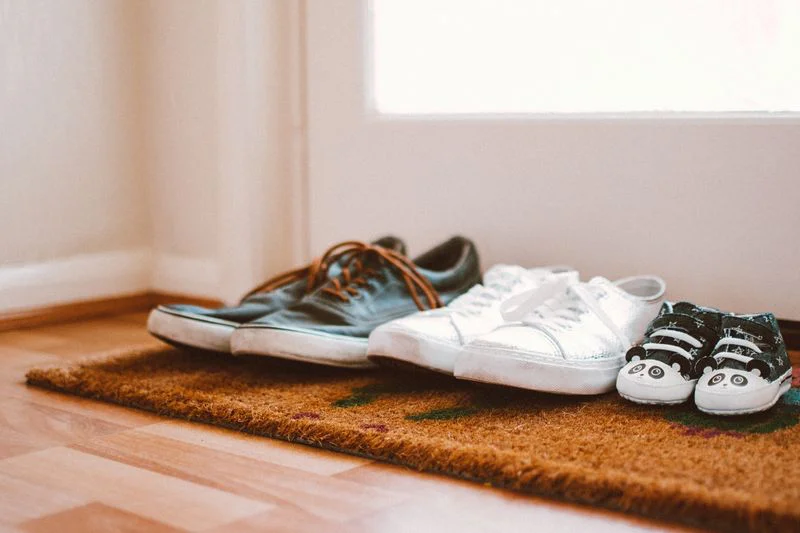
Take shoes off before entering a home
It is customary to remove your shoes before entering someone’s home. This will happen even when someone may come over to repair something in your home. They will remove their shoes. It’s not uncommon to see a pile of shoes outside most front doores.
Slippers are appropriate almost everywhere
I’ll admit that I never wore slippers on the island. However, they are worn in both professional and casual settings. Some workplaces allow them which surprises many newcomers who are used to the dress norms on the mainland.
Hawaiian shirts as professional wear
Many local professionals such as lawyers, teachers, and business owners, wear an aloha shirt in the same way a suit would be worn on the mainland.
Local food terms
You’ll find local food terms like “grindz” (food), “choke” (a lot), and “da kine” (a catch-all filler word) show up in daily conversation and on menus.
What Is Pidgin?
Hawaiian Pidgin English is a distinct, structured language that developed among Hawaii’s plantation-era immigrant communities. It is still widely spoken today and is not “broken English” or slang. It is also not something to imitate as a joke.

Understanding Hawaii’s Cultural and Ethnic Makeup
Hawaii is the most racially and ethnically diverse state in the US. A large amount of residents identify as two or more ethnicities. For some newcomers, it can be a contrast when coming from a less diverse part of the mainland.
The Hawaiian culture is heavily shaped by Native Hawaiian traditions as well as significant Japanese, Filipino, Chinese, and other Pacific Islander influences. Some newcomers can feel like outsiders, especially those identified locally as “haole” (a term used for referring to non-Native Hawaiians, often specifically those of European descent).
Rather than becoming defensive, reframe it as a call for humility. Earning trust and a sense of belonging in Hawaii takes time, sincerity, and genuine engagement with local customs versus entitlement to instant acceptance.
Respecting the Land and Local Customs
Mālama ʻāina (caring for the land) is a value that runs through much of daily life in Hawaii from environmental practices to sacred and historical sites. When approaching sacred sites, ceremonies, and cultural practices, do so with reverence and awareness. These places are treated too often as photo backdrops and tourist novelties.
Learning a handful of basic Hawaiian words and using them respectfully can go a long way when it comes to showing genuine respect versus appropriation.
How to Adjust Without Losing Yourself
Adjusting to the local culture is a matter of observing and easing into the culture with genuine curiosity instead of judgment. It also helps to resist the urge to compare everything to “how it’s done back home”.
Although Oahu is the most populated island, it can still feel like a giant small town. You run into the same people and if you work in a certain industry, that industry is often tight-knit across the island. Your reputation and community trust matter more than it might on the mainland.
Adapting to local culture doesn’t mean your have to erase where you’re from. Think of the move to Hawaii as entering into someone else’s home and not just relocating to a nicer climate.
As for our move to Oahu years ago, the things that were a culture shock for me include:
- The slower pace
- The grocery prices
- Unsafe drivers (running red lights is the norm)
- Noise pollution (modified mopeds, cars blasting loud music)
Frequently Asked Questions
The most commonly cited adjustment is “island time” which is a slower and more relaxed pace that affects things like schedules, customer service, and daily life.
Pidgin is a distinct and widely spoken language used across all professions in Hawaii. It is not casual slang or broken English.
Yes. It is customary to remove your shoes before entering someone’s home.
It is not inherently disrespectful to move to Hawaii, but it comes with a responsibility to move with humility, learn about and respect local and Native Hawaiian customs, and avoid treating the island like a playground.
It is a term used locally and refers to non-Native Hawaiians of European descent. How it is used varies by context and it’s worth understanding rather than dismissing simply as an insult.
There isn’t a fixed timeline. However, most people usually adjust by being patient, observing, and genuine engagement with local customs.
Final Thoughts
Nothing really caught me off guard while we lived in Hawaii. I think the important thing is to learn as much as you can about Native Hawaiian culture and local culture. Be respectful of historical sites as well as nature (beaches, sea turtles, etc.)
Moving to or from Hawaii?
Get the complete, no-fluff guide with real numbers, timelines, and checklists covering both directions of the move. Written from firsthand experience, not recycled internet advice. Grab it today for just $9.
Get The Hawaii Move Guide